Transformative Impact of AI on Digital Health: A Case Study


Introduction to AI in Digital Health
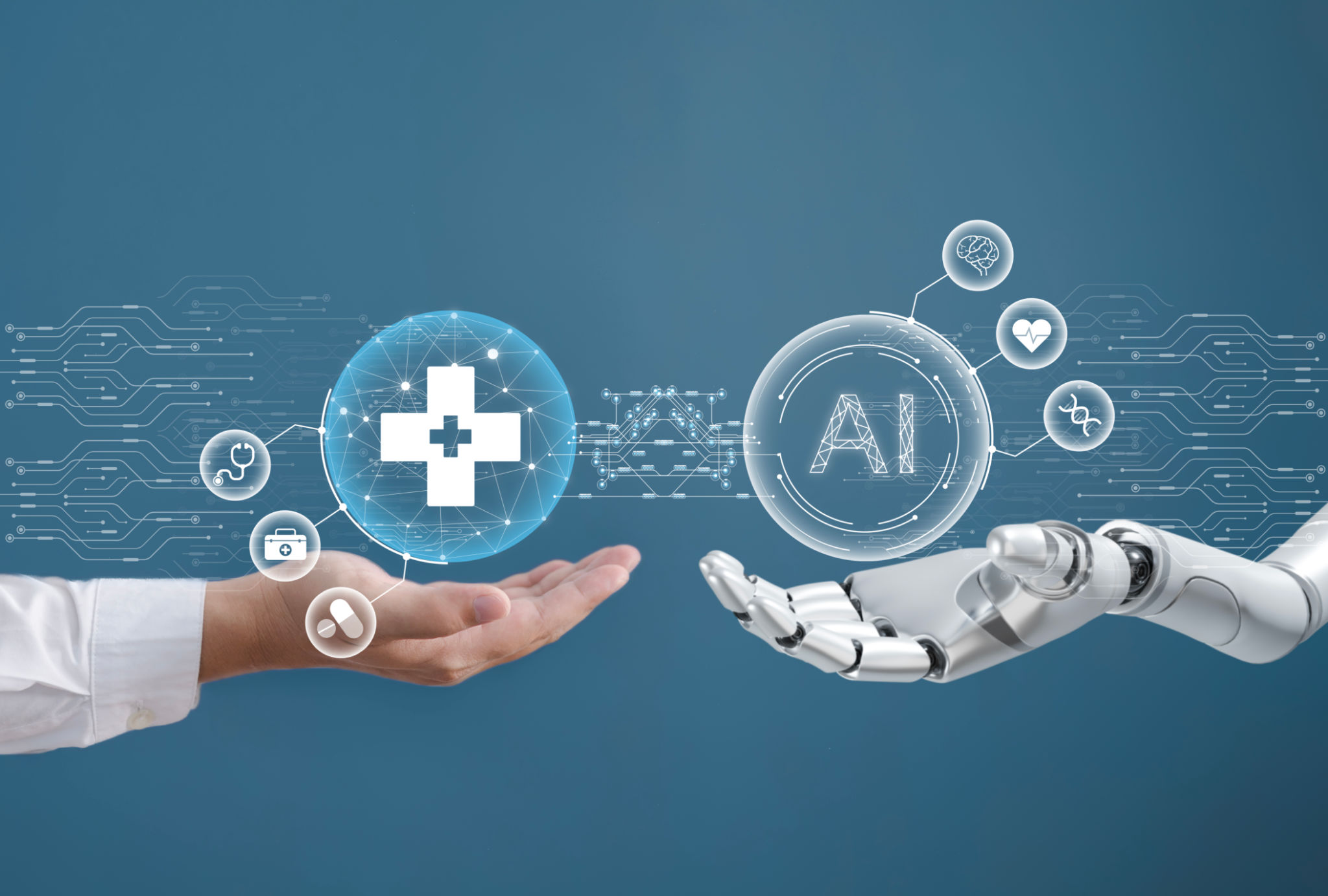
The integration of Artificial Intelligence (AI) into digital health represents a groundbreaking evolution in healthcare. By leveraging data and machine learning algorithms, AI is transforming the way healthcare providers diagnose, treat, and manage patient care. This transformation is not only enhancing the efficiency of healthcare systems but also improving patient outcomes.
Enhancing Diagnostics Accuracy
AI's ability to analyze vast amounts of data quickly and accurately is revolutionizing diagnostics. Algorithms can now interpret medical images such as X-rays and MRIs with remarkable precision, often surpassing human capabilities. This ensures early detection of diseases, which is crucial for effective treatment and management.
For example, AI-powered tools are now capable of identifying patterns in medical images that may be invisible to the human eye. This has significant implications for conditions like cancer, where early detection can significantly improve survival rates.
Case Study: Improved Cancer Detection
A recent case study highlighted how an AI-based system improved breast cancer detection rates by over 15%. By analyzing mammograms, the AI system identified subtle anomalies, leading to earlier and more accurate diagnoses. This not only reduced false positives but also decreased the need for invasive biopsies, offering a less stressful experience for patients.

AI in Personalized Medicine
Personalized medicine tailors treatment plans to individual patient needs, and AI is at the forefront of this movement. By analyzing genetic information, medical history, and lifestyle factors, AI can help create highly customized treatment plans that improve patient outcomes.
For instance, AI tools can predict how patients will respond to specific medications, allowing healthcare providers to choose the most effective treatment with minimal side effects. This precision in treatment reduces trial-and-error approaches, saving time and resources.
Case Study: Diabetes Management
In diabetes management, AI-driven apps are assisting patients in monitoring their blood sugar levels and predicting potential spikes or drops. These tools provide personalized recommendations, helping patients maintain optimal glucose levels and reducing the risk of complications.

Streamlining Administrative Processes
Beyond patient care, AI is streamlining administrative tasks in healthcare facilities. Automated systems are handling tasks such as appointment scheduling, billing, and patient record management, freeing up valuable time for healthcare professionals to focus on patient care.
AI-powered chatbots are also enhancing patient engagement by providing instant responses to queries and triaging appointment requests. This ensures that patients receive timely information and assistance, improving their overall experience.
Case Study: Hospital Efficiency
A hospital implemented an AI-based system to manage its appointment scheduling. This resulted in a 30% reduction in no-show rates and improved patient satisfaction. The system optimized scheduling, ensuring that doctors' time was used efficiently and patients received prompt care.

Conclusion: The Future of AI in Digital Health
The transformative impact of AI on digital health is undeniable, with ongoing advancements promising even greater improvements in patient care and healthcare efficiency. As AI technology continues to evolve, its integration into healthcare systems will likely lead to more groundbreaking developments.
By embracing AI, healthcare providers can enhance diagnostic accuracy, personalize treatment, and streamline operations, ultimately leading to better patient outcomes and a more efficient healthcare system.