The Future of AI in Medicine: Transforming Patient Care and Innovation


The integration of artificial intelligence (AI) into the medical field is revolutionizing patient care and driving innovation. As technology continues to evolve, AI's role in medicine is expanding, offering new possibilities for diagnosis, treatment, and patient management.
Enhancing Diagnostic Accuracy
AI algorithms excel in analyzing complex medical data, leading to improved diagnostic accuracy. By processing vast amounts of medical images and patient records, AI systems can identify patterns and anomalies that might be missed by the human eye. This capability is particularly beneficial in fields like radiology and pathology, where precision is crucial.
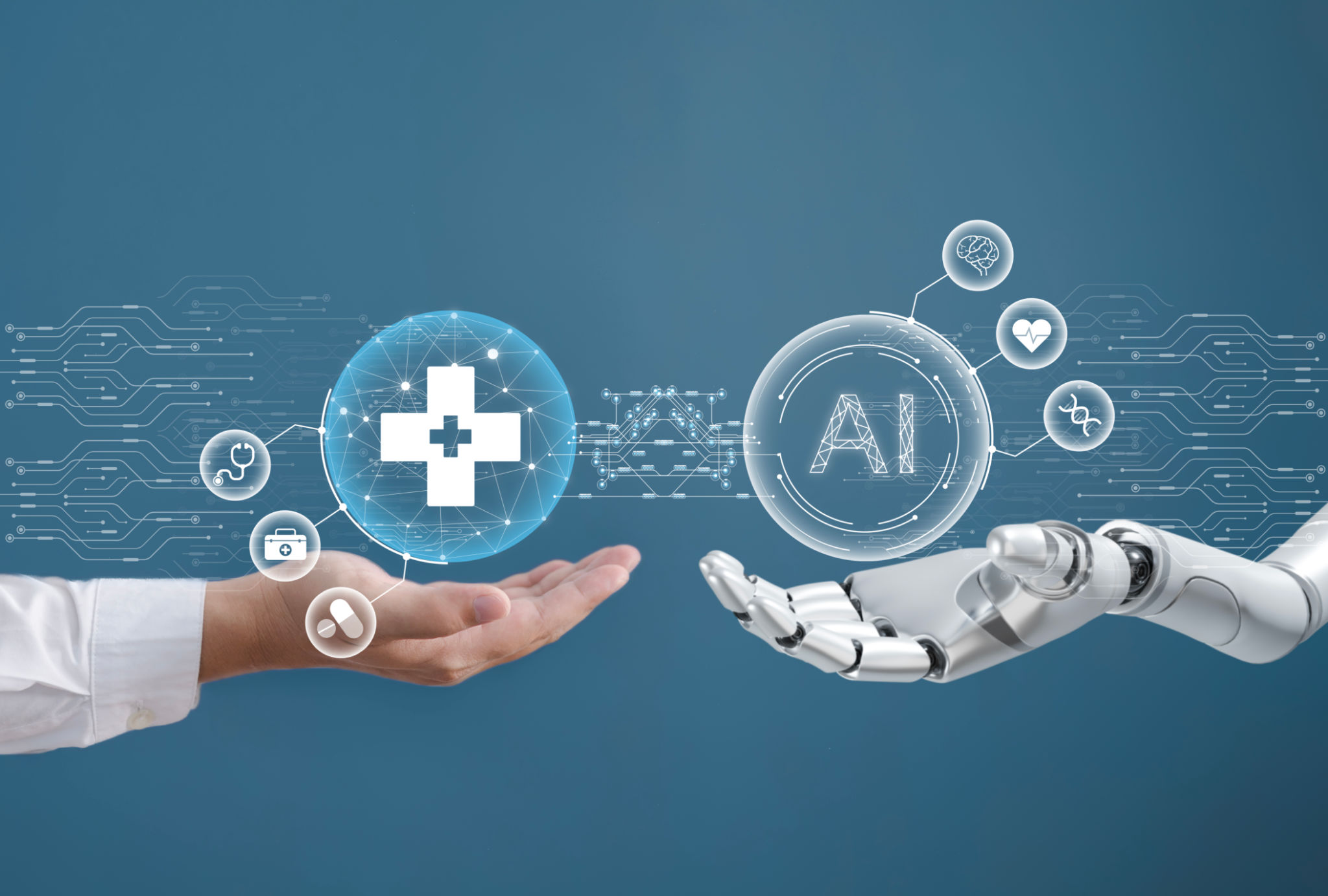
Moreover, AI-powered tools can provide real-time insights, enabling faster decision-making and reducing the risk of human error. This not only enhances patient outcomes but also alleviates the workload on healthcare professionals, allowing them to focus on more critical aspects of patient care.
Personalized Treatment Plans
One of the most promising applications of AI in medicine is the development of personalized treatment plans. By analyzing a patient's genetic makeup, lifestyle, and medical history, AI can recommend tailored treatment strategies. This personalized approach ensures that patients receive the most effective therapies, minimizing adverse effects and improving recovery rates.
AI-driven predictive analytics can also forecast disease progression, enabling proactive interventions. This shift towards individualized care marks a significant departure from the traditional one-size-fits-all model, paving the way for more precise and effective medical treatments.

Streamlining Administrative Tasks
Beyond direct patient care, AI is transforming the administrative side of healthcare. Automated systems can handle tasks such as appointment scheduling, billing, and patient record management. By streamlining these processes, healthcare facilities can reduce operational costs and improve efficiency.
This automation also frees up valuable time for healthcare providers, allowing them to dedicate more attention to patient interaction and care delivery. As AI continues to integrate into healthcare systems, the potential for increased productivity and reduced burnout among medical staff becomes increasingly apparent.

Driving Research and Innovation
AI's ability to analyze and interpret vast datasets is accelerating medical research and innovation. By identifying trends and correlations within large volumes of data, AI can uncover new insights into disease mechanisms and potential therapeutic targets. This has the potential to expedite drug discovery and development, bringing new treatments to market faster.
Furthermore, AI-powered simulations and modeling can predict the outcomes of clinical trials, optimizing study designs and reducing the time and cost involved in bringing new therapies to patients. This ability to innovate rapidly is reshaping the landscape of medical research and development.
Challenges and Ethical Considerations
While the future of AI in medicine is promising, it is not without challenges. Issues such as data privacy, algorithmic bias, and ethical considerations must be addressed to ensure that AI systems are used responsibly and equitably. Establishing robust regulatory frameworks and guidelines will be crucial in navigating these challenges.
Collaborative efforts between technologists, healthcare professionals, and policymakers will be essential in harnessing the full potential of AI while safeguarding patient rights and maintaining trust in medical systems.
As AI continues to transform the medical landscape, its potential to improve patient care and drive innovation is undeniable. By embracing these advancements and addressing the associated challenges, the healthcare industry can look forward to a future where AI plays an integral role in delivering high-quality, personalized care for all.