The Benefits of AI in Healthcare: Transforming Patient Care and Beyond


Revolutionizing Patient Care with AI
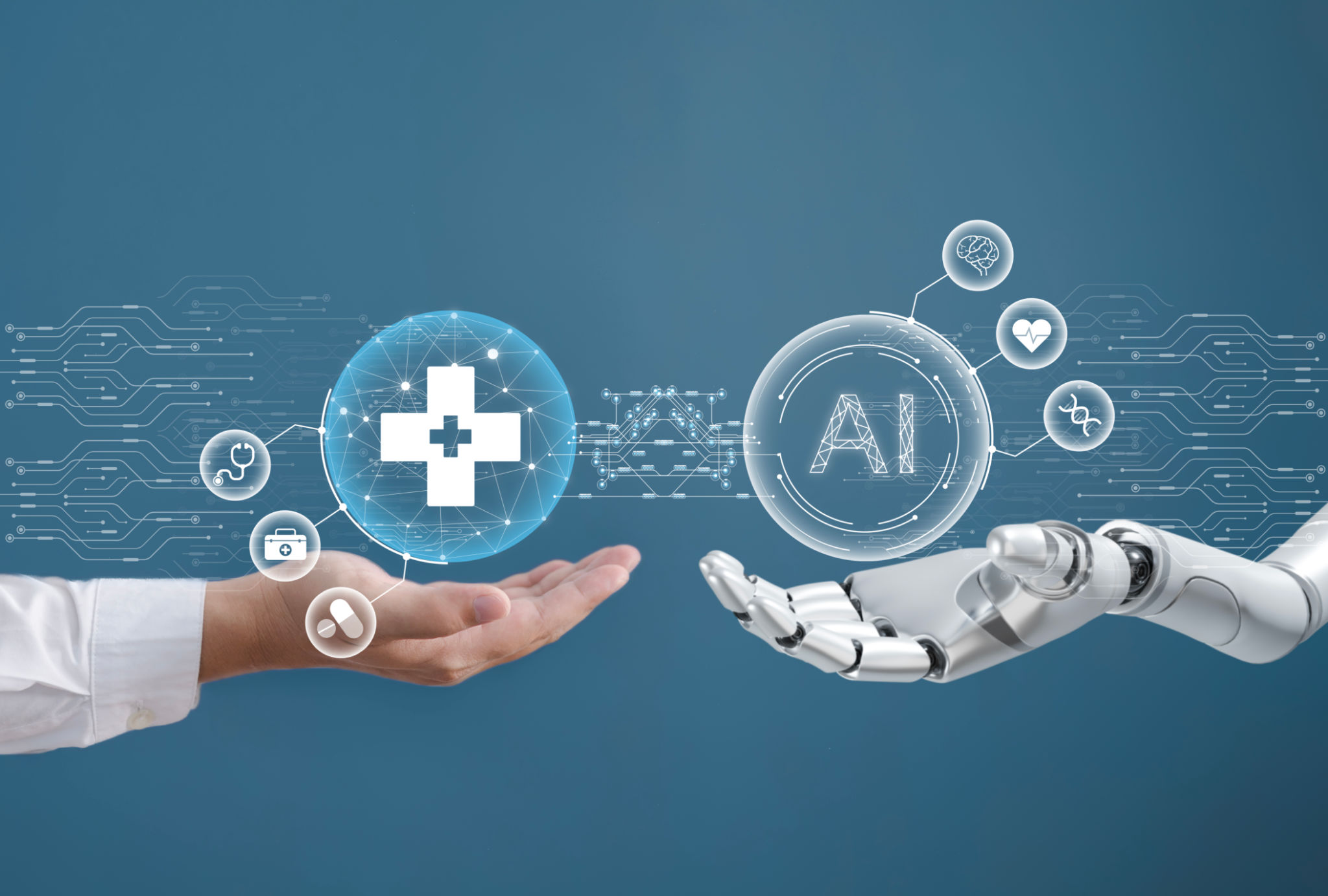
Artificial Intelligence (AI) is reshaping the landscape of healthcare, offering unprecedented opportunities to enhance patient care and streamline operations. By leveraging AI technologies, healthcare providers can deliver more accurate diagnoses, personalized treatments, and efficient services, ultimately improving patient outcomes and satisfaction.
Enhanced Diagnostic Accuracy
AI algorithms are capable of analyzing medical data with remarkable precision. By processing vast amounts of information from medical imaging, lab results, and patient histories, AI can identify patterns and anomalies that might be missed by human eyes. This leads to more accurate diagnoses and earlier detection of conditions such as cancer, heart disease, and neurological disorders.
For instance, AI-powered imaging tools can detect minute changes in CT scans or X-rays, assisting radiologists in making quicker and more reliable evaluations. This not only speeds up the diagnostic process but also reduces the likelihood of human error.
Personalized Treatment Plans
AI's ability to analyze large datasets allows for the creation of personalized treatment plans tailored to individual patients. By considering factors such as genetic information, lifestyle, and medical history, AI can recommend treatments that are more effective and have fewer side effects.
This personalized approach ensures that patients receive the most appropriate care, enhancing their overall experience and potentially leading to better health outcomes. AI can also predict how patients might respond to certain medications, allowing healthcare providers to make informed decisions about prescriptions.

Streamlined Administrative Processes
Beyond patient care, AI is revolutionizing administrative tasks within healthcare facilities. By automating routine processes such as scheduling, billing, and data entry, AI reduces the workload on healthcare staff, allowing them to focus more on patient care.
AI-driven chatbots and virtual assistants can handle patient inquiries, appointment bookings, and even provide basic medical advice. This not only enhances efficiency but also improves the patient experience by providing timely assistance and reducing wait times.
Improved Patient Monitoring
Wearable devices and AI-powered monitoring systems are transforming how patients are tracked outside traditional healthcare settings. These technologies can continuously collect data on vital signs and other health metrics, alerting healthcare providers to any concerning changes in real-time.

This continuous monitoring enables proactive interventions, reducing hospital readmissions and ensuring patients receive timely care. It also empowers patients to take an active role in managing their health, fostering better engagement and adherence to treatment plans.
Future Prospects and Ethical Considerations
The future of AI in healthcare is promising, with ongoing advancements likely to further enhance patient care. However, it is crucial to address ethical considerations such as data privacy, bias in AI algorithms, and the need for robust regulatory frameworks.
By ensuring that AI technologies are developed and implemented responsibly, healthcare providers can harness the full potential of AI to transform patient care and improve health outcomes on a global scale.